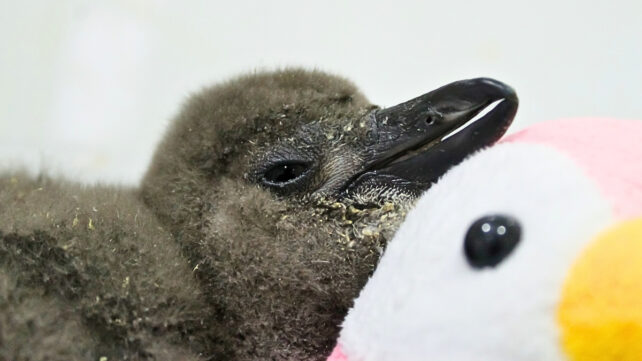
A brutal confluence of environmental change and human fishing habits left tens of thousands of adult African penguins off South Africa's coast without enough food to survive, reducing their population by around 95 percent in just eight years, a new study reveals.
"These declines are mirrored elsewhere," says University of Exeter conservation biologist Richard Sherley, adding that the species has "undergone a global population decline of nearly 80 percent in the last 30 years."
Each year, African penguins (Spheniscus demersus) spend about 20 days on land to molt their worn-out feathers so they can stay waterproof and insulated.
Related: Amazon Lakes Became Hotter Than a Hot Tub, Killing Hundreds of Dolphins
They usually fatten up in preparation for this fasting period, but between 2004 and 2011, stocks of their main food, Sardinops sagax sardines, plummeted to about 25 percent of their peak.
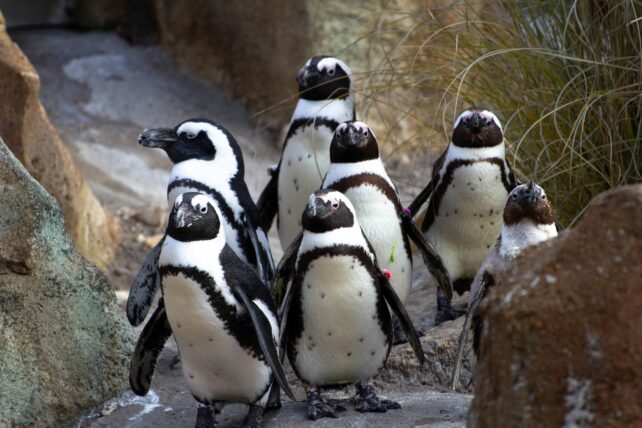
"If food is too hard to find before they molt or immediately afterwards, they will have insufficient reserves to survive the fast," says Sherley. "We don't find large rafts of carcasses – our sense is that they probably die at sea."
Mass starvation hit two of the African penguin's most crucial breeding sites between 2004 and 2011, causing the deaths of approximately 62,000 adults.
Ecologist Robert Crawford, from Cape Town's Department of Forestry, Fisheries, and the Environment, and colleagues found changes in temperature and salinity driven by human-caused climate change are behind the plummeting fish stocks. Meanwhile, pressures from the fishing industry remain high.
"Adult survival, principally through the crucial annual molt, was strongly related to prey availability," explains Sherley. "High sardine exploitation rates – that briefly reached 80 percent in 2006 – in a period when sardine was declining because of environmental changes likely worsened penguin mortality."
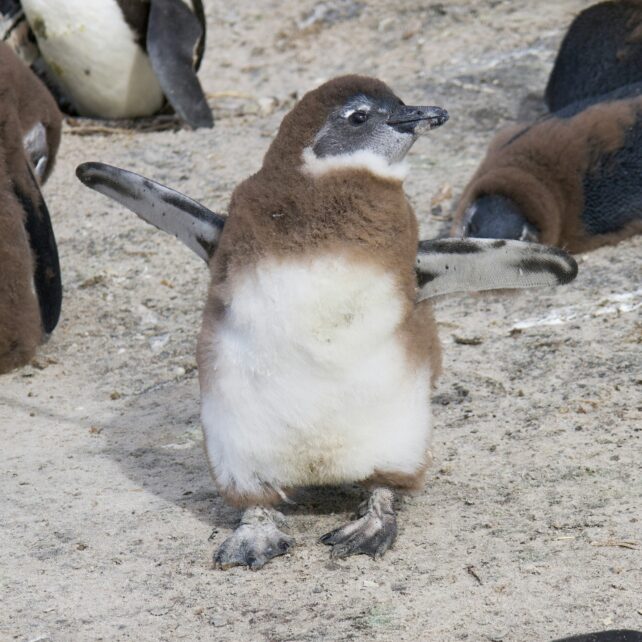
The African penguin's situation has not improved since then, leading to the species being classified as critically endangered with fewer than 10,000 breeding pairs in 2024.
As with the mass mortality of river dolphins, local measures to mitigate the situation can only go so far.
"Fisheries management approaches that reduce the exploitation of sardine when its biomass is less than 25 percent of its maximum and allow more adults to survive to spawn, as well as those that reduce the mortality of recruits [juvenile sardines], could also help, although this is debated by some parties," says Sherley.
Without addressing the environmental changes, restoring penguin populations will remain "difficult", the researchers caution. On the current trajectory, African penguins will face extinction within a decade.
Human activities are destroying Earth's wildlife on a scale our species has never witnessed before. Populations have plummeted by over two-thirds since the 1970s.

Together with the decimation of the world's reefs and the deaths of numerous eels, birds, African elephants, and river dolphins, this is yet another wildlife mortality event now attributed to climate change.
From plastics to pesticides, habitat loss, and poaching, we're not allowing the life around us to catch a break.
Researchers have long warned that a global system reduction in our use of fossil fuels is vital to stop this planetary-scale hemorrhage of life; otherwise, we may as well be trying to use a sticking plaster to patch up a broken arm.
This research was published in Ostrich.