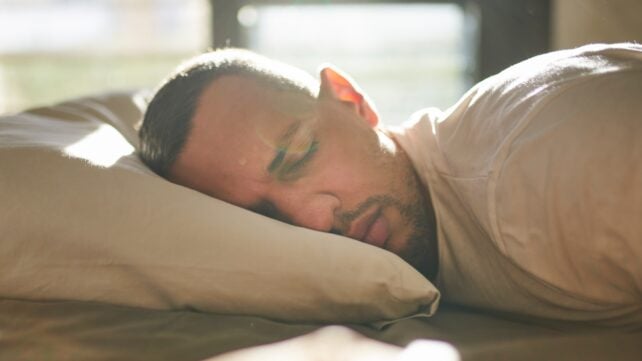
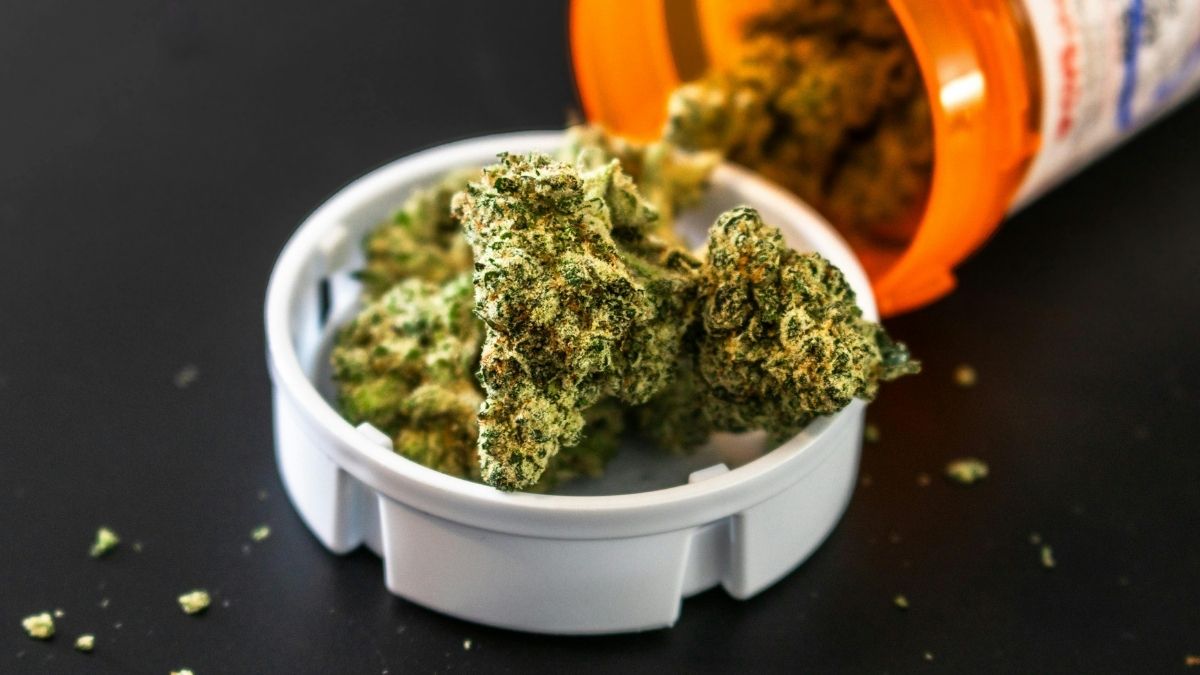
An estimated 22 million Americans currently use cannabis as a form of sleep aid, and almost one in four says they're likely to try the drug to help them sleep.
But despite the widespread view that cannabis can help you get a good night's rest, the evidence is starting to suggest otherwise.
In recent years, scientists have linked cannabis to sleep disruption, and reviews have suggested that the drug may in fact have an overall detrimental effect on sleep quality, despite what many users might think it's doing for them.
A new study in JAMA Network Open highlights this paradox, suggesting a possible disconnect between the sleep quality of cannabis users and their own perception of how well they're sleeping.
In an analysis of 35 years of observational data from participants in the Coronary Artery Risk Development in Young Adults (CARDIA) study, researchers found that cannabis use was associated with multiple objective measures of poorer sleep.
Subjectively speaking, however, based on questionnaires in which participants rated their sleep quality, there was no sign that people using the drug felt their sleep was negatively affected.
"This study challenges the common belief that cannabis helps people sleep better," says epidemiologist Thanh-Huyen T. Vu from Northwestern University.
"Our findings suggest cannabis may actually be associated with poorer sleep quality, even if people don't perceive those changes."
The CARDIA study began recruiting participants in 1985 from four sites across the US, ultimately involving over 5,000 people. Participants completed several follow-up examinations as the study progressed, with the ninth follow-up assessment taking place in 2022 (year 35 of the study).
In the new analysis by Vu's team, the researchers looked at data from 1,266 participants in the CARDIA cohort, including 1,128 people who self-reported sleep assessments at the end of the study period.
They also analyzed objective sleep data from 891 participants who used a wrist-worn tracker to monitor their sleep for seven days, with 753 people contributing to both the subjective and objective analyses.
After adjusting for age, race, sex, education level, smoking and alcohol use, and other factors, the researchers found that greater lifetime cannabis use was associated with a lower sleep percentage (the amount of time asleep during sleep periods), higher sleep fragmentation, and waking up for longer periods during sleep.
Each additional year of cannabis use was linked with poorer sleep, equating to 10 percent higher odds of a low sleep percentage (spending less than 85 percent of the sleep period asleep), 4 percent higher odds of high sleep fragmentation, and 21 percent higher odds of prolonged waking up (spending at least 30 minutes awake in total during sleep periods).
Among recent cannabis users (participants who had consumed the drug within the last 30 days), cannabis use was linked with longer sleep duration (20 minutes extra per night), but also with lower sleep percentage, higher sleep fragmentation, and longer periods of waking up, compared to people who had never used the drug.
Yet despite all these objective measurements indicating poorer sleep, neither lifetime nor recent cannabis use was associated with the participants reporting lower subjective sleep quality, the researchers note.
"This was one of the most interesting findings," says Vu.
"The wearable device detected more nighttime disruption among participants with long-term cannabis exposure, but the participants themselves generally did not report worse sleep."
While we can't be entirely sure why this is happening, the researchers say the discrepancy could have important public health implications, especially given cannabis's popularity and reputation for being a supposed sleep aid.
"Individuals may not perceive declines in sleep quality or may interpret longer sleep duration as improved sleep despite objectively poorer sleep," the researchers write in their paper.
"Thus, cannabis-related sleep disturbances may go unrecognized."
The researchers note that previous studies examining cannabis's effects on sleep quality have shown mixed results, but they observe that many studies have been limited by small samples, short follow-up periods, or cross-sectional designs that didn't examine how long-term cannabis use is associated with sleep quality, and few studies have incorporated objective sleep data.
Further, some studies examining the effects of medical cannabis may have only looked at sleep as a secondary outcome, or may have assessed it alongside other factors that may affect sleep.
"One possible explanation for the small improvement in subjective sleep quality observed in these medical cannabis studies is that most participants were from clinical populations with pain, cancer, or sleep disorders," the researchers write.
"Cannabis may improve perceived sleep quality by reducing symptoms that interfere with sleep, even when objective sleep measures show little or no change."
Given this was an observational study, the research can't establish whether cannabis use directly caused the sleep disturbances people experienced.
The researchers also acknowledge a number of limitations, including that they didn't track cannabis potency or timing relative to sleep, and while their study did incorporate objective sleep measurements, they were only able to access a week's worth of sleep tracking data (over a study period lasting decades).
They suggest future long-term studies with objective sleep assessments will be able to better clarify how cannabis use influences sleep.
In the meantime, if you really want to aid your sleep, the research team says following the conventional advice is probably a smarter choice than consuming cannabis.
"Keep a regular bedtime, make your bedroom cool, dark and quiet, and avoid looking at phones and other screens right before bed," says neurologist and study co-author Kristen L. Knutson from Northwestern University.
"It can also help to establish a calming routine before sleep, such as reading, meditating or taking a shower."
The findings are reported in JAMA Network Open.
This article was fact-checked by Fiona MacDonald and edited by Fiona MacDonald. While we pride ourselves on our process, we are only human. If you spot a mistake, please let us know.