This Week in Science: A moving country, a cosmic first, and much more!
We start with a giant earthquake that may have moved Japan.
A new analysis reveals a 2011 earthquake sent a seismic wave all the way down to Earth's core and back again, and it may have shifted parts of the country.
Also this week:
Read on below, and make sure you check out our TWIS video!
A Giant Seismic Wave Bounced Off Earth's Core And May Have Shifted Japan

When the magnitude 9.0 Tōhoku earthquake struck off the coast of Japan in 2011, its seismic shivers did more than ripple through the planet.
A new analysis suggests at least one seismic wave traveled down to the boundary between Earth's mantle and liquid outer core, then reflected back to the surface.
And there, it may have done something scientists have never identified before.
After it returned, GPS observations suggest that parts of Japan have shifted eastward by up to 5 to 6 millimeters.
Read the full story here.
Your Taste For Onions May Reveal Something About Your Future Health

Diet and health are closely linked, but working out the details can be complicated.
Now scientists have found that a specific variant of the OR2T6 smell receptor gene is linked to liking the smell and taste of onions.
It's also associated with lower odds of type 2 diabetes and high blood pressure.
"Our research shows taste and smell genes are promising tools for studying links between diet and disease and can help strengthen evidence about cause and effect in nutrition research," says genetic epidemiologist Daniel Hwang, from the University of Queensland in Australia.
Read the full story here.
Scientists May Have Detected The First Signature of a Black Hole's Event Horizon
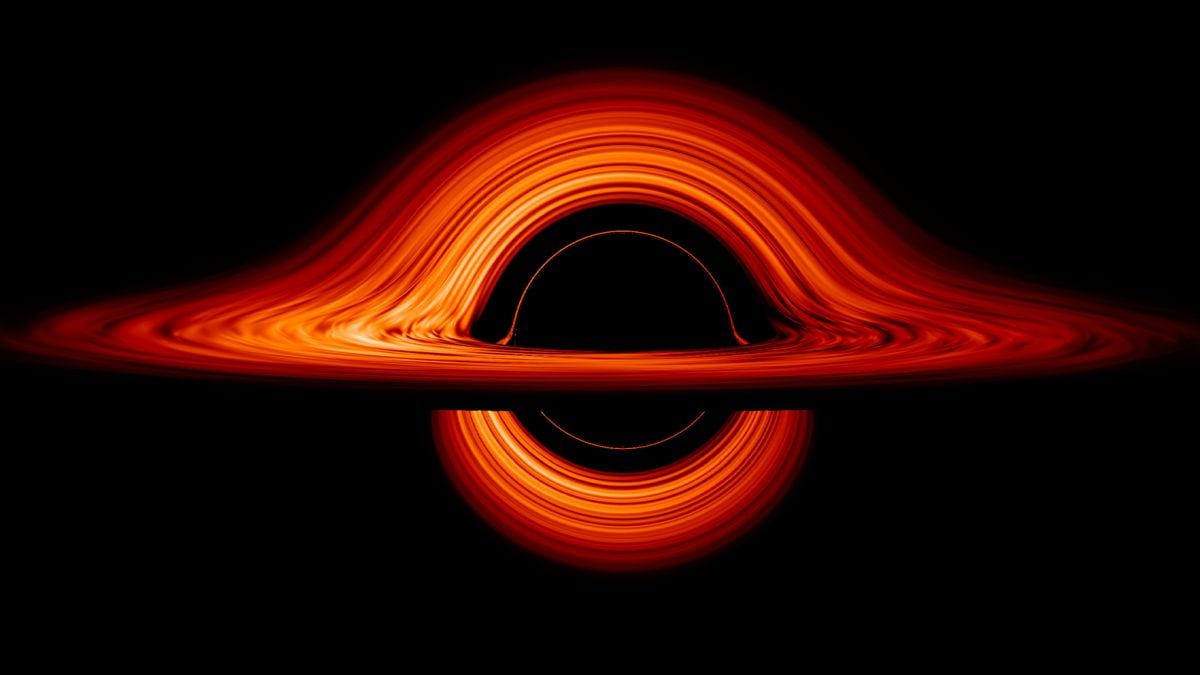
Nothing can escape a black hole, but gravitational waves may have carried scientists closer than ever to the edge.
Researchers say they may have identified the first signature of a black hole's event horizon, carried by a gravitational wave from a massive black hole merger.

The signal, known as a direct wave, could offer a new way to study the near-horizon region of black holes.
"We often find it thrilling that something which once felt almost like science fiction, namely using observations to learn about black-hole horizons, has become something we can actually do," theoretical physicist Sizheng Ma of the Perimeter Institute in Canada told ScienceAlert.
Read the full story here.
Younger Adults May Be Aging Faster Than Previous Generations
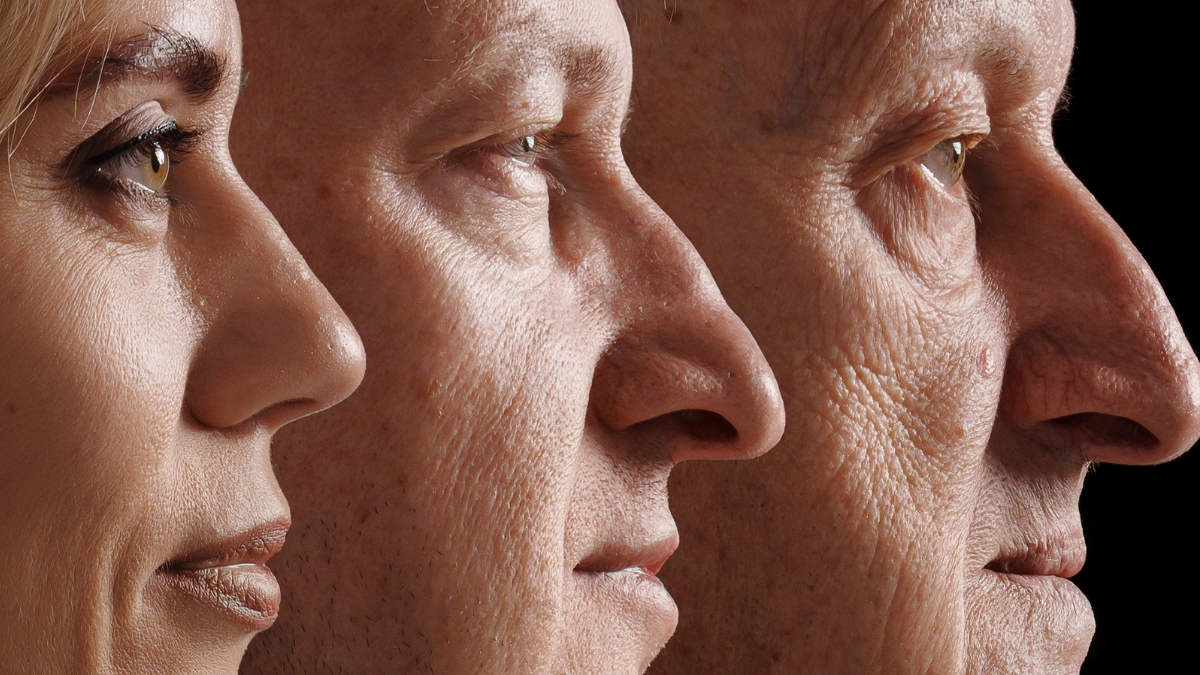
A new study suggests younger adults may be biologically older than earlier generations were at the same age.
Researchers analyzed blood markers across large UK and US cohorts, using a biological aging measure called PhenoAge.
The findings may help explain why some cancers are rising in younger generations, including lung, uterine, and gastrointestinal cancers.
The study does not offer a single explanation, but it could help scientists identify people at higher risk earlier in life.
Read the full story here.
A Controversial Ancient Human Burial Site Just Got More Mysterious
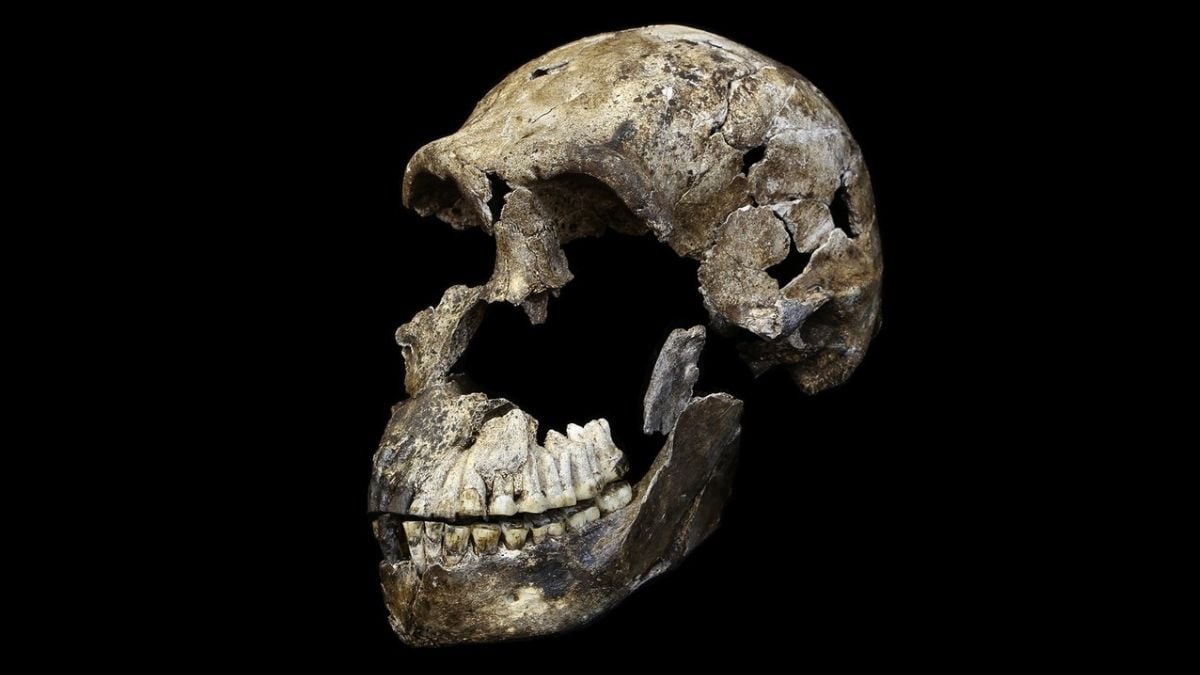
The ancient human species Homo naledi is already surrounded by mystery, and a new tooth analysis has added another twist.
Researchers examined ancient proteins preserved in dental enamel from specimens found in South Africa's Rising Star cave system.
In the samples tested, they found no Y-linked protein markers, suggesting the group may have been mostly, or possibly entirely, female.
"The lack of male markers with the group is truly fascinating. It is incredibly exciting to gain a window not only into the biology of our ancestors, but also into how they lived," says fossil chemist Marc Dickinson, from the University of York in the UK.
Read the full story here.
Yellowstone Wolves' Forest Revival Was Overstated, Scientists Say
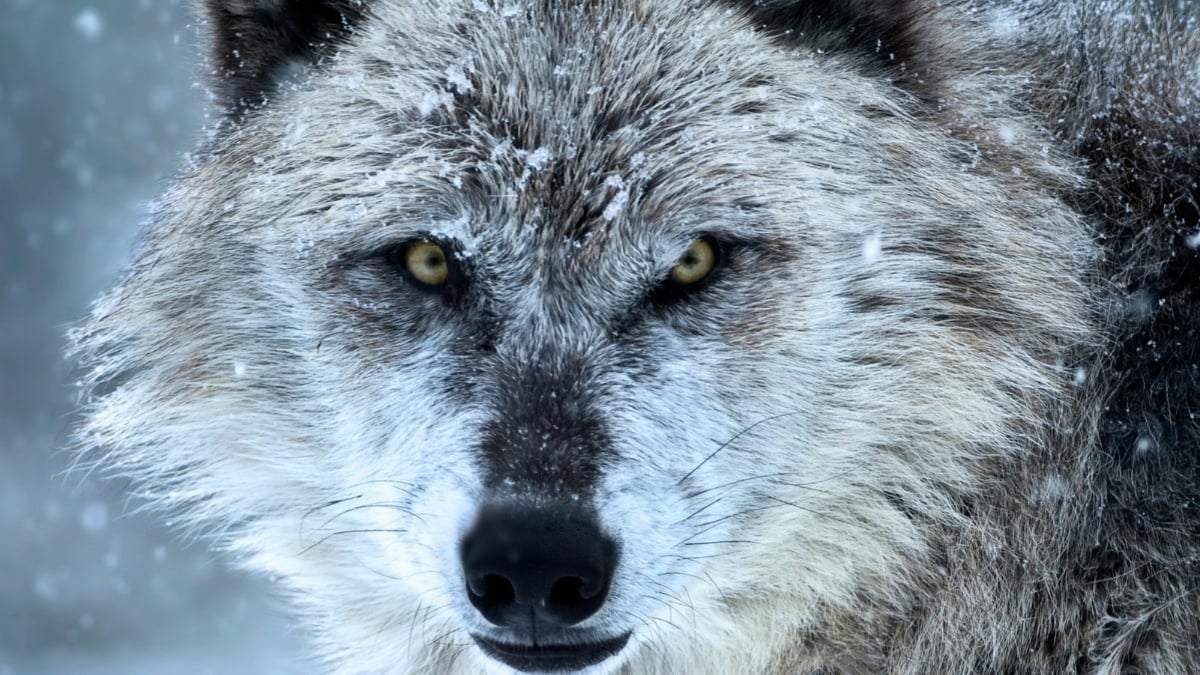
The return of wolves to Yellowstone is one of ecology's most famous comeback stories.
But a new critique suggests one part of that story, the recovery of aspen forests, may have been overstated.
The researchers say earlier work exaggerated the strength of the trophic cascade, partly because of issues with baseline tree density and data interpretation.
They're careful to note that this critique does not undermine the importance of large predators in ecosystems, but rather highlights the need for scientific rigor when studying a subject as complex as an ecosystem.
Read the full story here.
Watch the video below for a recap of the top stories from this week!